Crafting a Captivating Introduction: A Step-by-Step Guide to Writing an Intriguing Academic Introduction
Writing an intriguing introduction is a crucial aspect of academic writing, as it sets the tone for the entire piece and captures the reader's attention. In this tutorial, you will learn how to craft a compelling introduction that will draw your readers in and keep them engaged. With these steps, you'll be able to create an introduction that effectively introduces your topic, provides context, and establishes your thesis statement. Whether you're writing a research paper, essay, or academic article, a well-written introduction is essential to making a good impression and conveying your message.
Step 1: Start with a Hook to Write a Compelling Introduction
A hook is a sentence or phrase that grabs the reader's attention and draws them into your introduction. It can be a surprising statistic, a thought-provoking question, or a quote that relates to your topic. To write a compelling introduction, you need to craft a hook that is both interesting and relevant to your topic. For example, if you're writing about climate change, your hook could be: "Despite the growing concern about climate change, many people are still unaware of the devastating impact it has on our planet." 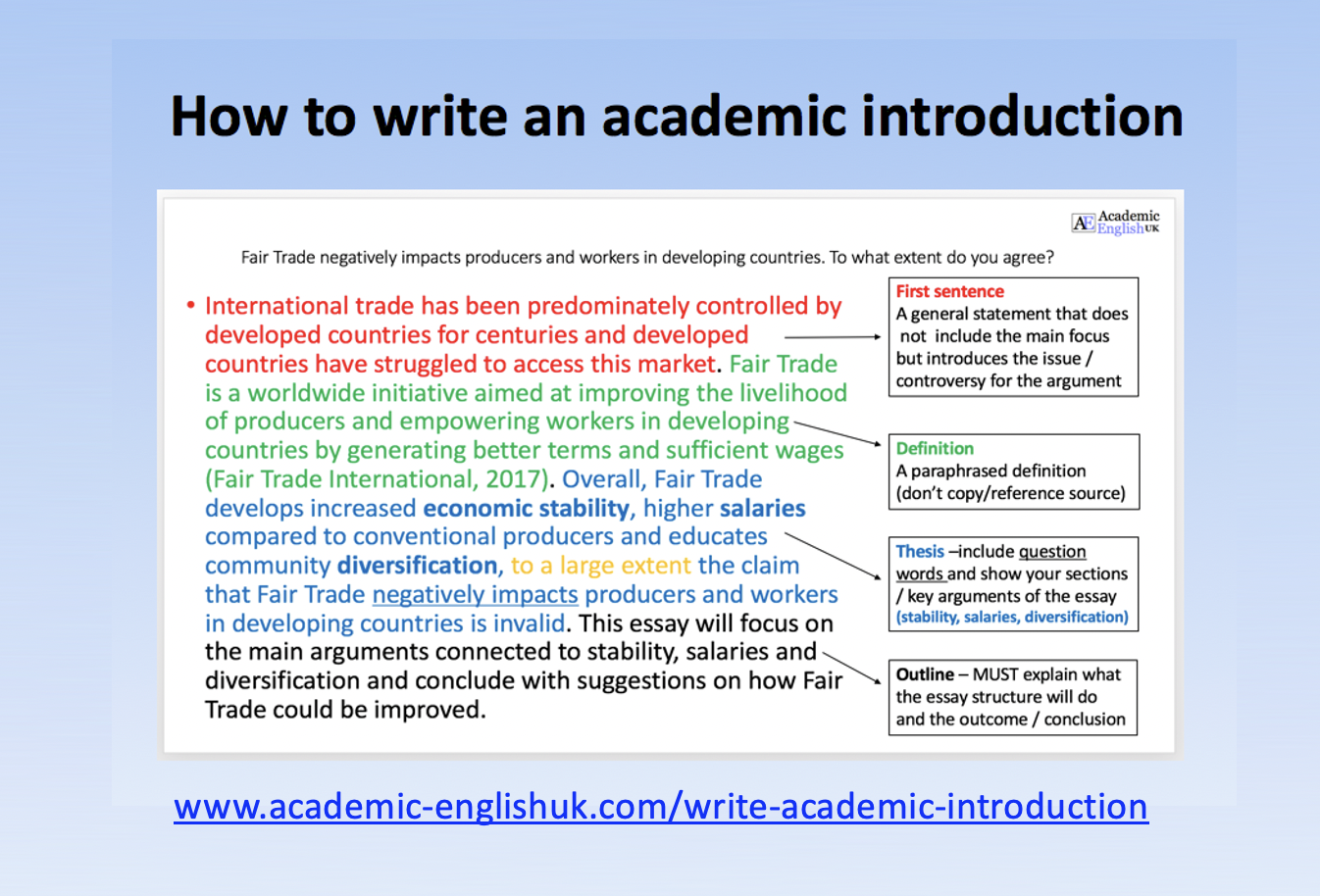
Step 2: Provide Background Information to Write an Informative Introduction
After you've grabbed the reader's attention with your hook, provide some background information to give context to your topic. This can include historical background, definitions of key terms, or an overview of the current state of research in the field. To write an informative introduction, you need to provide enough information to help the reader understand the topic, but not so much that you overwhelm them. For example, if you're writing about the impact of social media on mental health, you could provide some statistics on the prevalence of social media use and its correlation with mental health issues.

Step 3: Clearly State Your Research Question or Thesis Statement to Write a Focused Introduction
A clear research question or thesis statement is essential to writing a focused introduction. This statement should provide a clear direction for the rest of the paper and give the reader an idea of what to expect. To write a focused introduction, you need to craft a research question or thesis statement that is specific, measurable, achievable, relevant, and time-bound (SMART). For example, if you're writing about the impact of climate change on coastal communities, your research question could be: "What are the effects of sea level rise on coastal communities, and how can we mitigate these effects?" 
Step 4: Preview Your Main Points to Write a Coherent Introduction
After you've stated your research question or thesis statement, preview your main points to give the reader an idea of what to expect in the rest of the paper. To write a coherent introduction, you need to provide a clear overview of your main arguments or points. For example, if you're writing about the benefits of meditation, you could preview your main points by saying: "This paper will explore the physical, emotional, and mental benefits of meditation, and provide tips for incorporating meditation into your daily routine." 
Step 5: Conclude Your Introduction with a Transition to Write a Smooth Introduction
Finally, conclude your introduction with a transition that leads the reader to the next section of the paper. To write a smooth introduction, you need to craft a conclusion that is both concise and effective. For example, you could say: "In the following sections, we will explore the benefits of meditation in more detail, and provide tips for incorporating meditation into your daily routine."
Frequently Asked Questions
Q: What is the purpose of an introduction in academic writing? A: The purpose of an introduction is to introduce the topic, provide background information, and establish the thesis statement. Q: How long should an introduction be? A: The length of an introduction can vary depending on the type of paper, but it's generally around 10-15% of the total word count. Q: What are some common mistakes to avoid when writing an introduction? A: Common mistakes include starting with a weak hook, providing too much background information, and failing to clearly state the research question or thesis statement.
PPT - Intriguing Introductions PowerPoint Presentation, Free Download
PPT - Intriguing Introductions PowerPoint Presentation, free download ...
How To Write A Strong Introduction Paragraph: Expert Techniques

How to Write a Strong Introduction Paragraph: Expert Techniques ...
How To Write An Academic Introduction / Academic English UK
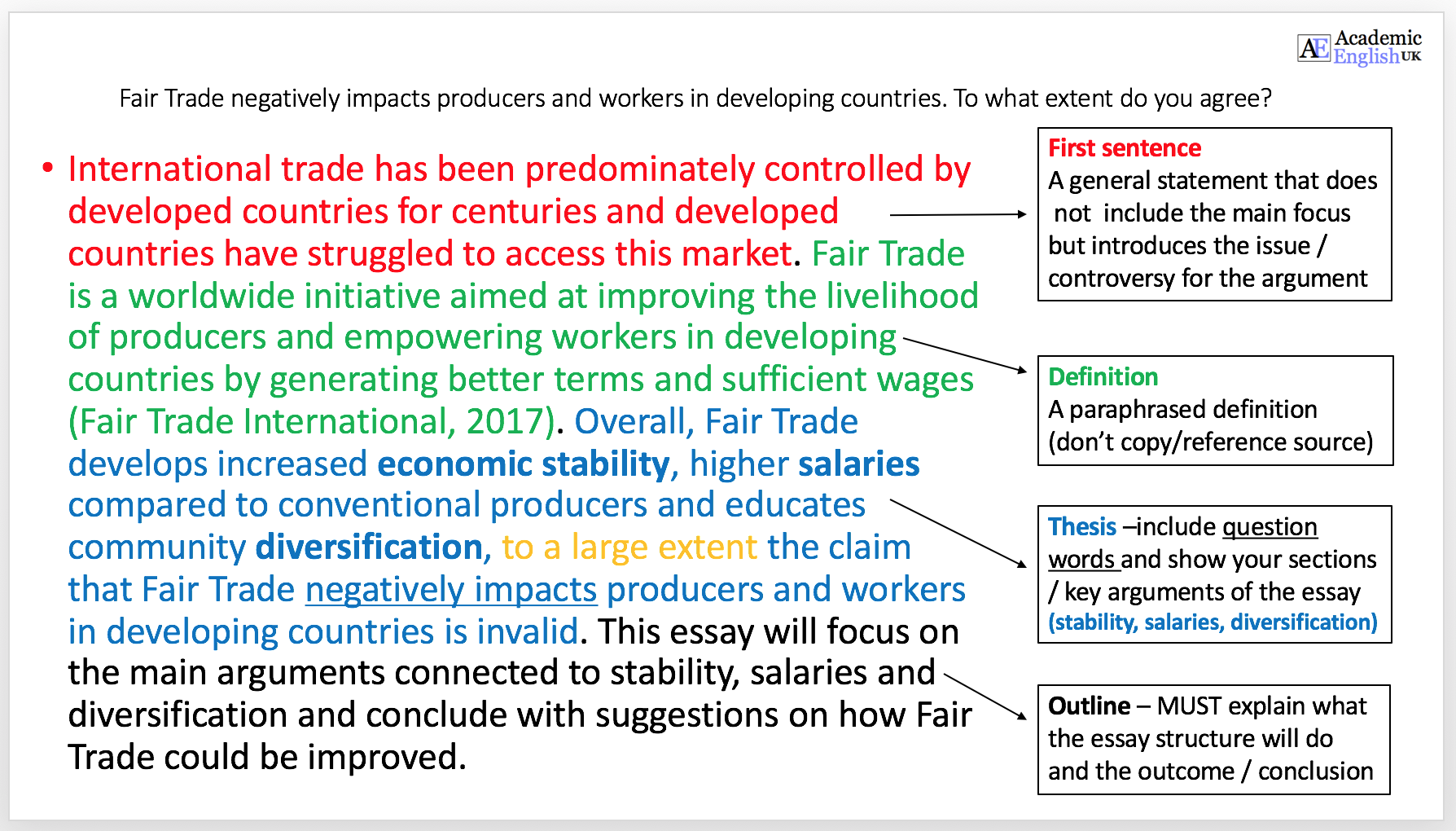
How to write an academic introduction / Academic English UK